 delishing
How to Boil Lobster at Home: A Comprehensive Guide

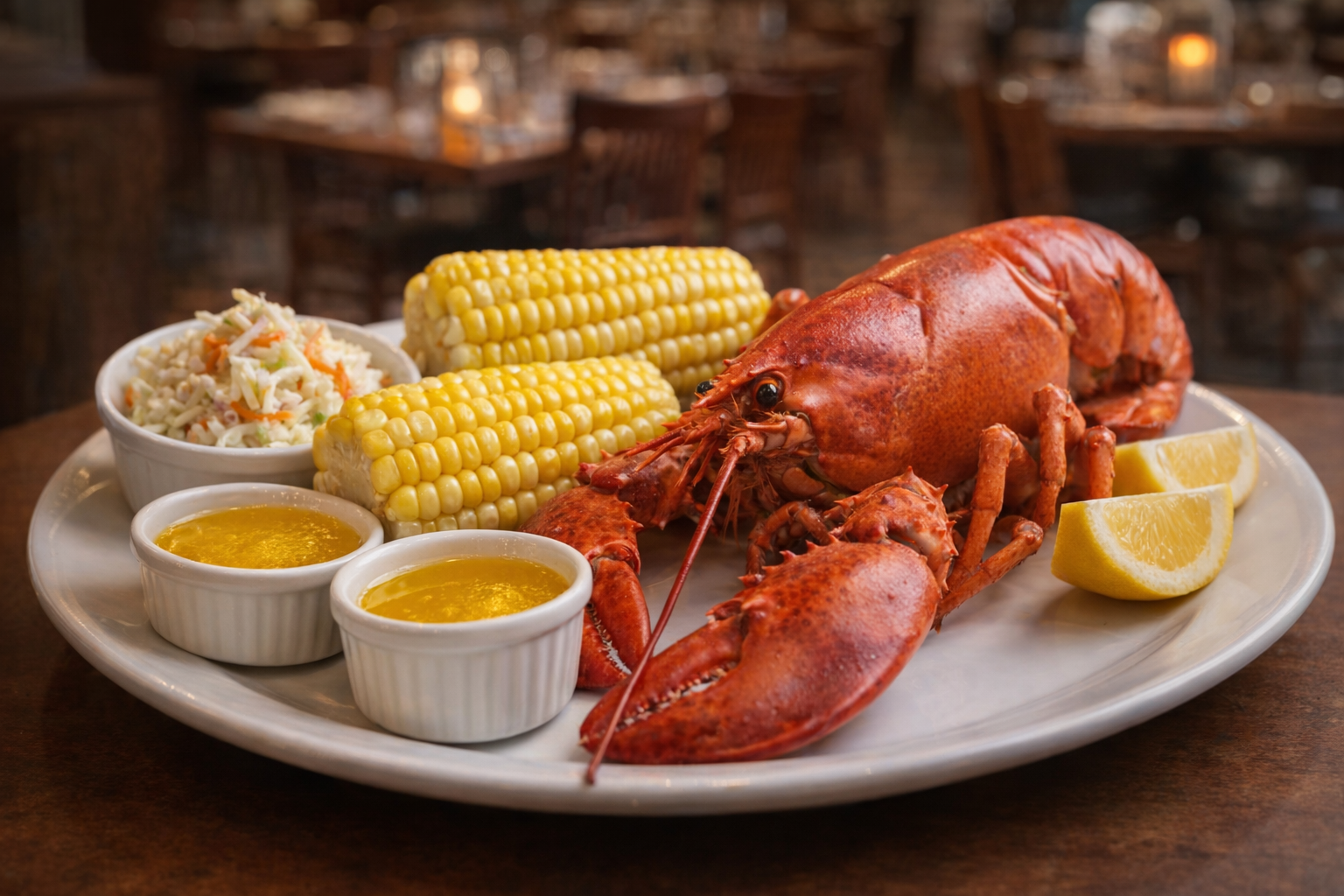
Boiling lobster is a time-honored method that reliably delivers sweet, succulent meat with minimal effort. The simplicity of this technique allows the lobster's natural flavors to shine, making it an ideal choice for both casual weeknight dinners and elegant special occasions. The key to perfectly boiled lobster lies in understanding the nuances of water temperature, cooking time, and post-boiling handling.
In this guide, we will walk you through every step of the process, from selecting the freshest lobsters to mastering the art of cracking and enjoying this culinary delicacy. We'll share insider tips to ensure your lobster is consistently tender, juicy, and bursting with flavor, guaranteeing a truly memorable dining experience.
Understanding Lobster Varieties
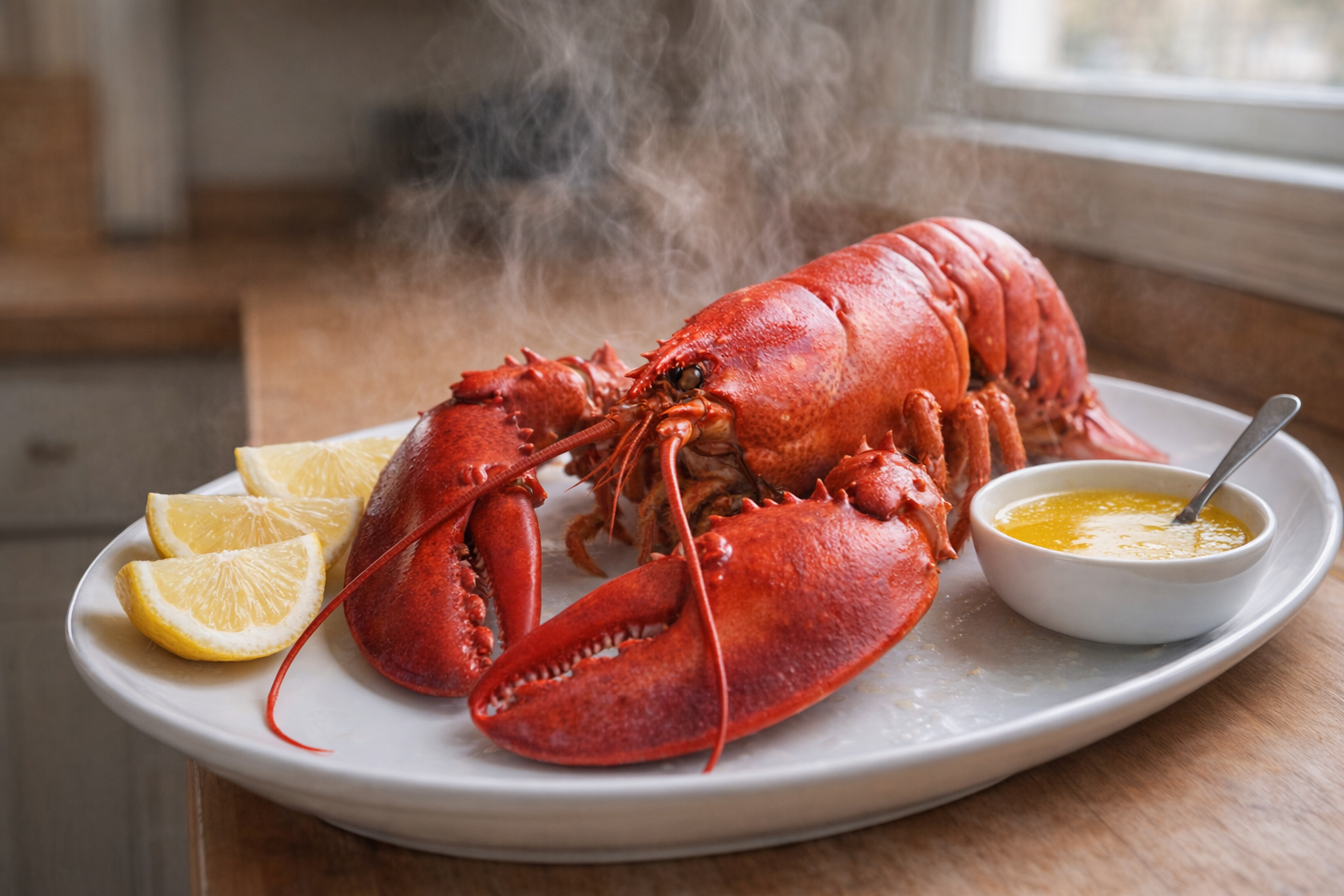
When selecting lobsters for boiling, you'll primarily encounter two main types: American (or Maine) lobster and Spiny lobster. The American lobster, found in the cold waters of the North Atlantic, is prized for its large claws and sweet, tender meat. Look for hard-shell lobsters, as they contain more meat than soft-shell varieties, particularly during molting season.
Spiny lobsters, on the other hand, lack prominent claws and are found in warmer waters. While their tail meat is flavorful, they are generally less desirable for boiling due to their smaller size and less abundant meat. Always purchase live lobsters that are active and display good vitality, ensuring the freshest and most flavorful result. Avoid any lobsters that appear sluggish or have damaged shells.
Why Cook Lobster This Way?
- Versatility: Boiled lobster can be enjoyed as is, used in lobster rolls, salads, or as a base for bisque.
- Flavor: Boiling preserves the pure, unadulterated taste of the lobster meat.
- Convenience: Requires minimal equipment and is relatively quick, making it perfect for busy cooks.
Preparation (Mise en Place)
- Handling Live Lobsters: Approach live lobsters with respect. Grasp them firmly behind the claws, avoiding the sharp points of the shell.
- No Thawing Required: Since you're working with live lobsters, thawing is not applicable.
Essential Tools
- Large Stockpot (8-12 quarts): A heavy-bottomed stockpot ensures even heat distribution, preventing scorching.
- Tongs: Long-handled tongs are crucial for safely lowering and removing lobsters from the boiling water.
- Kitchen Timer: Accurate timing is key to preventing overcooked, rubbery lobster.
- Meat Thermometer (Optional): For those who prefer a precise doneness check, an instant-read thermometer is helpful.
The Cooking Method
Method 1: Classic Boiled Lobster
This is the most straightforward and widely used method for cooking lobster, delivering consistently delicious results.
Ingredients:
- Live Lobsters: 1-2 lobsters per person (approximately 1.25-1.5 lbs each)
- Water: Enough to completely submerge the lobsters (about 2 gallons)
- Sea Salt: 1/2 cup (120ml)
- Optional: Lemon wedges, melted butter for serving
Instructions:
- Prepare the Pot: Fill the stockpot with water and add the sea salt. The high salinity enhances the lobster's natural flavor, mimicking its ocean environment.
- Bring to a Rolling Boil: Place the pot on high heat and bring the water to a vigorous, rolling boil. The water should be visibly churning, indicating sufficient heat.
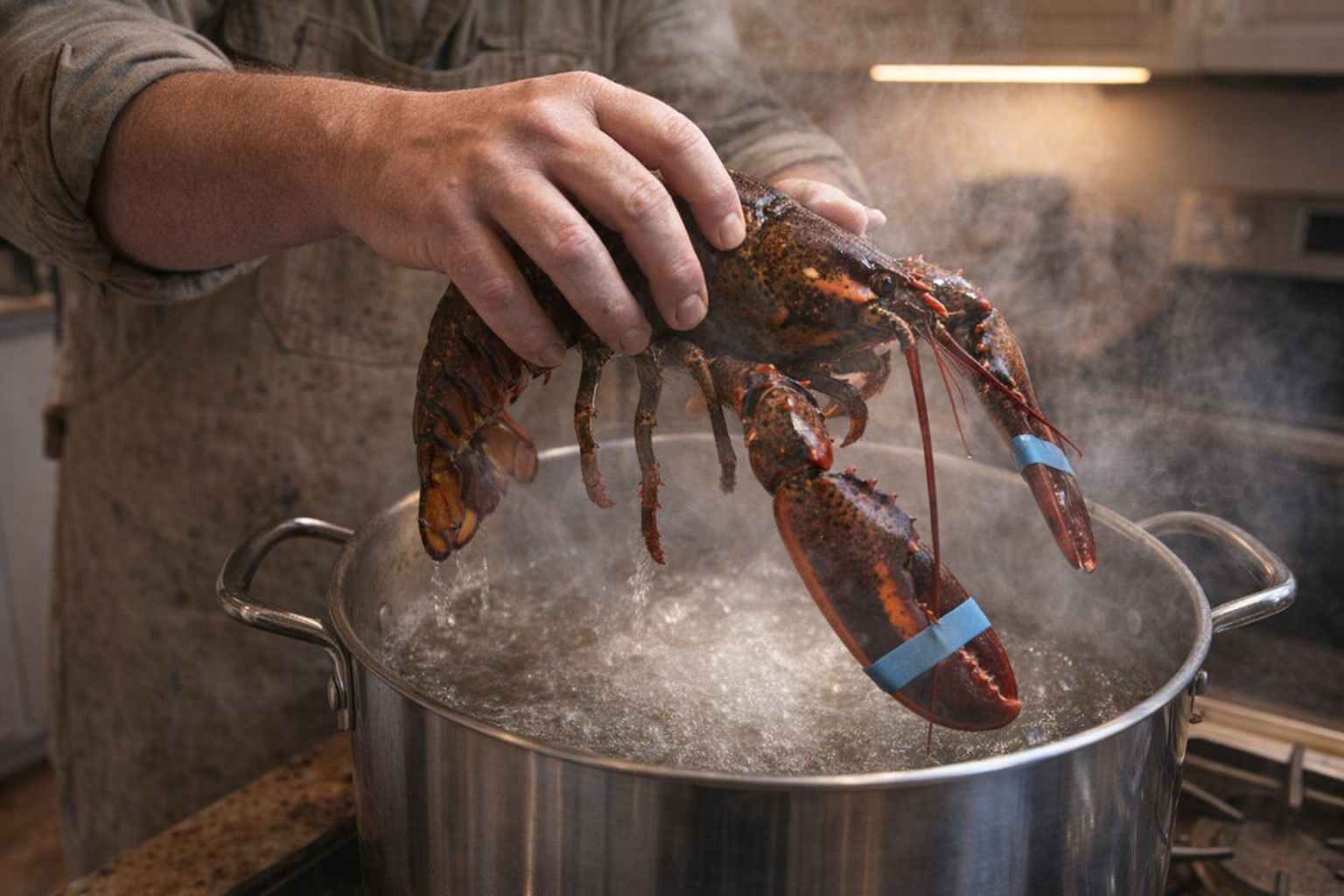
- Introduce the Lobsters: Carefully grasp each lobster behind the claws and gently lower it headfirst into the boiling water. Wear an apron, as the water may splash.
- Cover and Cook: Immediately cover the pot with a tight-fitting lid. The lid traps the steam and ensures even cooking. Start timing immediately.
- Monitor and Adjust: As the lobster cooks, the water will likely stop boiling temporarily. Once it returns to a boil, adjust the heat to maintain a steady, rolling boil.
- Check for Doneness: After the allotted cooking time (see guide below), check for doneness. The lobster's shell should be a vibrant, bright red color.
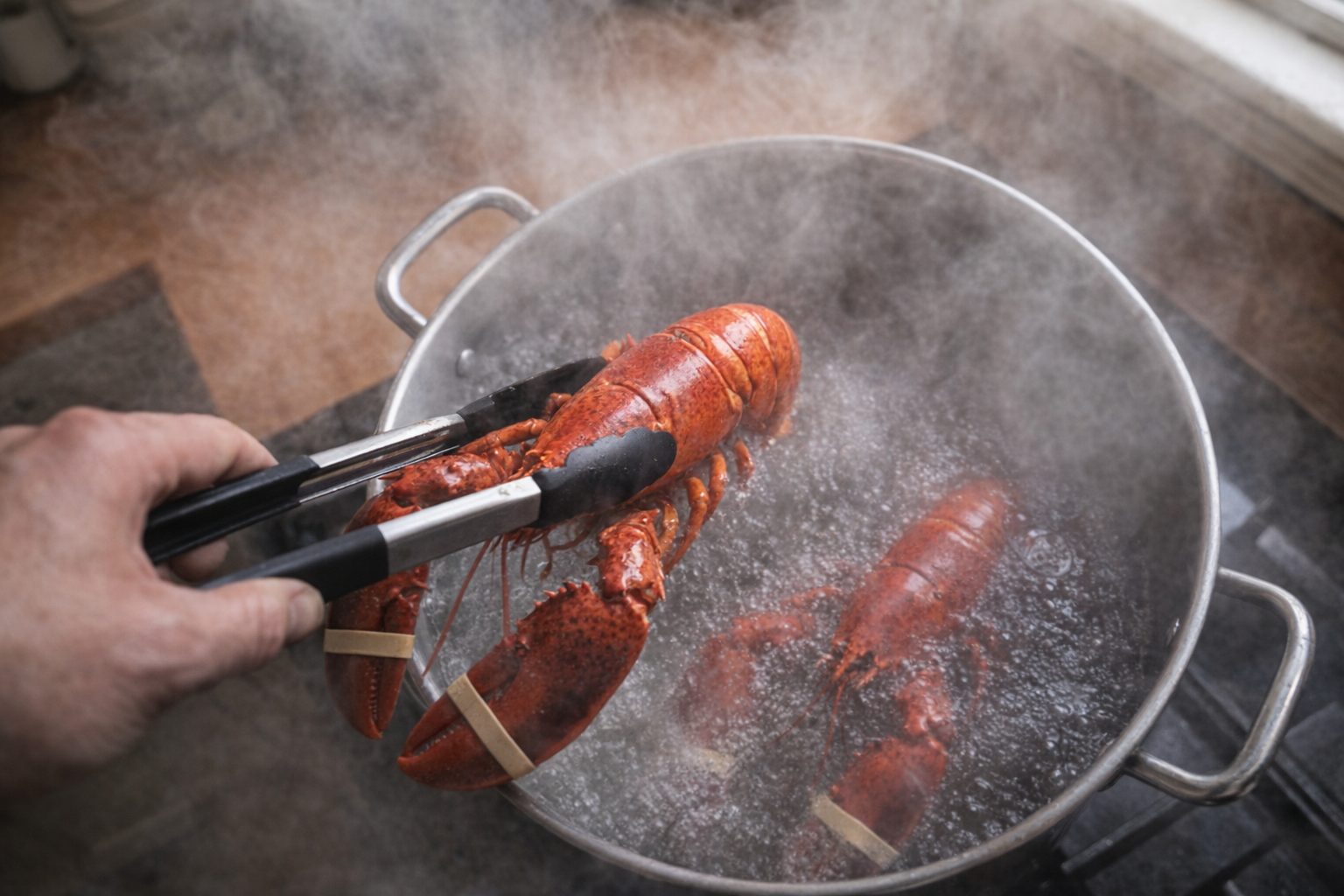
- Remove and Rest: Using tongs, carefully remove the lobsters from the pot and place them in a colander to drain. Allow them to rest for 5-10 minutes before handling. This allows the juices to redistribute, resulting in more tender meat.
Cooking Time & Doneness Guide
Cooking Time:
- 1 lb (450g): 8-10 minutes
- 1.25 lbs (570g): 10-12 minutes
- 1.5 lbs (680g): 12-14 minutes
- 2 lbs (900g): 15-17 minutes
- 3 lbs (1.36 kg): 18-20 minutes
Internal Temperature: The internal temperature of the lobster meat in the thickest part of the tail should reach 135-140°F (57-60°C).
Visual Cues
- Shell Color: The lobster's shell will turn a bright, vibrant red.
- Antenna Test: Gently pull on one of the lobster's antennae. If it comes out easily with little resistance, the lobster is likely cooked through.
Tips for Perfection
- Salt the Water Generously: Don't skimp on the salt! The water should taste like the ocean.
- Don't Overcrowd the Pot: Cooking too many lobsters at once lowers the water temperature and leads to uneven cooking. Cook in batches if necessary.
- Use a Tight-Fitting Lid: A well-sealed lid is essential for trapping steam and ensuring consistent cooking.
- Rest Before Cracking: Allowing the lobster to rest after cooking helps retain moisture and results in more tender meat.
Storage & Reheating
- Storage: Cooked lobster meat can be stored in an airtight container in the refrigerator for up to 2 days.
- Reheating: The best way to reheat lobster is by steaming it gently for a few minutes until heated through. Avoid microwaving, as it can make the meat rubbery. You can also use the cold lobster meat in a lobster salad.
Serving Suggestions
- Classic Lobster Dinner: Serve the boiled lobster whole with melted butter, lemon wedges, corn on the cob, and a side salad.
- Lobster Rolls: Shred the lobster meat and mix it with mayonnaise, celery, and lemon juice. Serve in toasted brioche rolls.
- Lobster Mac and Cheese: Incorporate the lobster meat into a creamy, decadent mac and cheese.
- Lobster Bisque: Use the lobster shells and meat to create a rich and flavorful bisque.
💡 Pro Tips
- Use approximately two tablespoons of sea salt per gallon of water to mimic the ocean's salinity and enhance the natural sweetness of the meat.
- Start your kitchen timer only after the water has returned to a full rolling boil to ensure the cooking time is accurate.
- Select a pot large enough to allow the lobsters to submerge completely without overcrowding, which ensures the heat distributes evenly.
- Prepare an ice water bath to shock the lobsters for thirty seconds immediately after boiling to stop the cooking process and maintain a tender texture.
- Test for doneness by pulling on a small walking leg; it should detach easily when the lobster is perfectly cooked through.
Frequently Asked Questions
Insert the meat thermometer into the thickest part of the tail. The lobster is done when it reaches an internal temperature of 135-140°F (57-60°C).
While using sea water might seem like a good idea, it's best to avoid it. The salinity levels can vary, and it might contain impurities that could affect the lobster's flavor.
Leftover boiled lobster can be stored in an airtight container in the refrigerator for up to 2 days. Use it in lobster rolls, salads, pasta dishes, or even as a topping for pizza.
One method is to place the lobster in the freezer for 15-20 minutes before boiling, which can help to numb them. However, the most important thing is to handle them with respect and minimize any potential suffering.